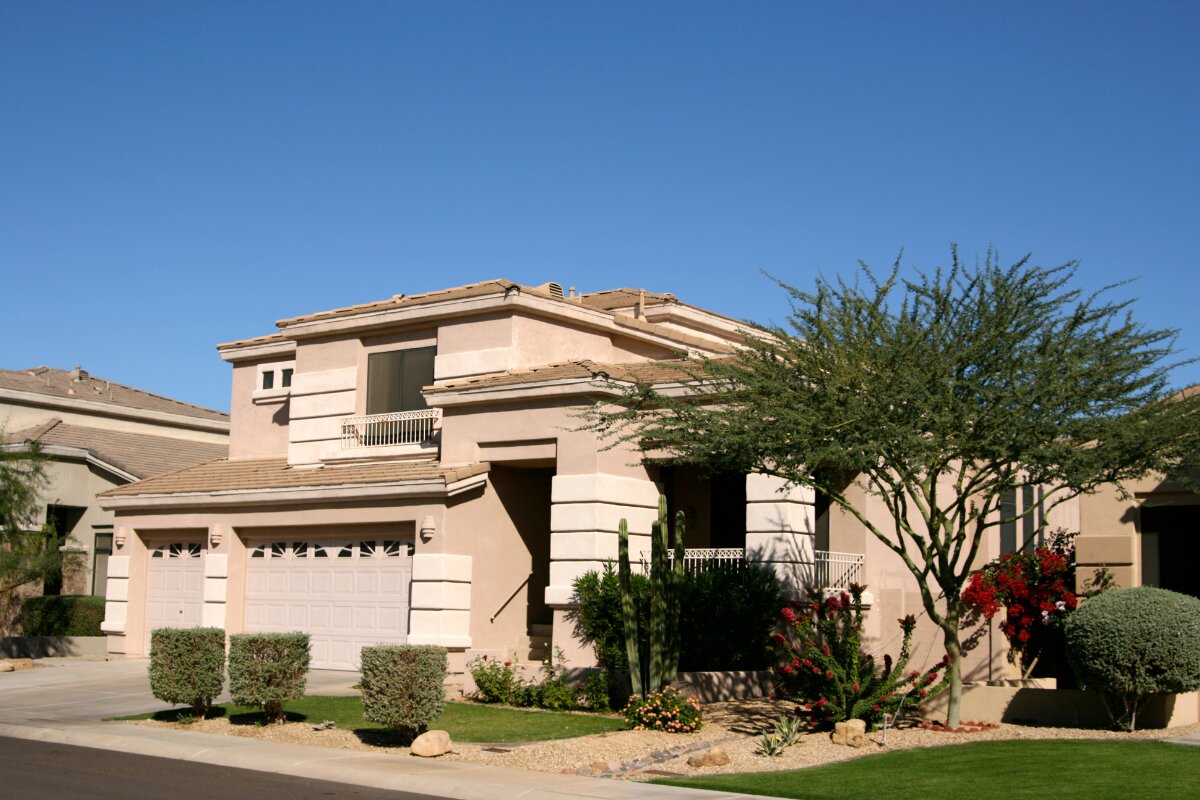
Fall is one of the best times to reset your Phoenix landscape. After months of intense heat, monsoon storms, and heavy irrigation demand, your yard may show signs of stress that were hard to address during the summer.
As temperatures begin to cool, plants generally need less water, irrigation schedules need to change, and hidden system problems become easier to spot. This is also a good time to inspect trees, shrubs, lawns, drip systems, and landscape lighting before winter arrives.
A few targeted fall maintenance steps can help protect your landscape, reduce water waste, and prepare your yard for the cooler months ahead.
Start Fall With a Full Irrigation System Check
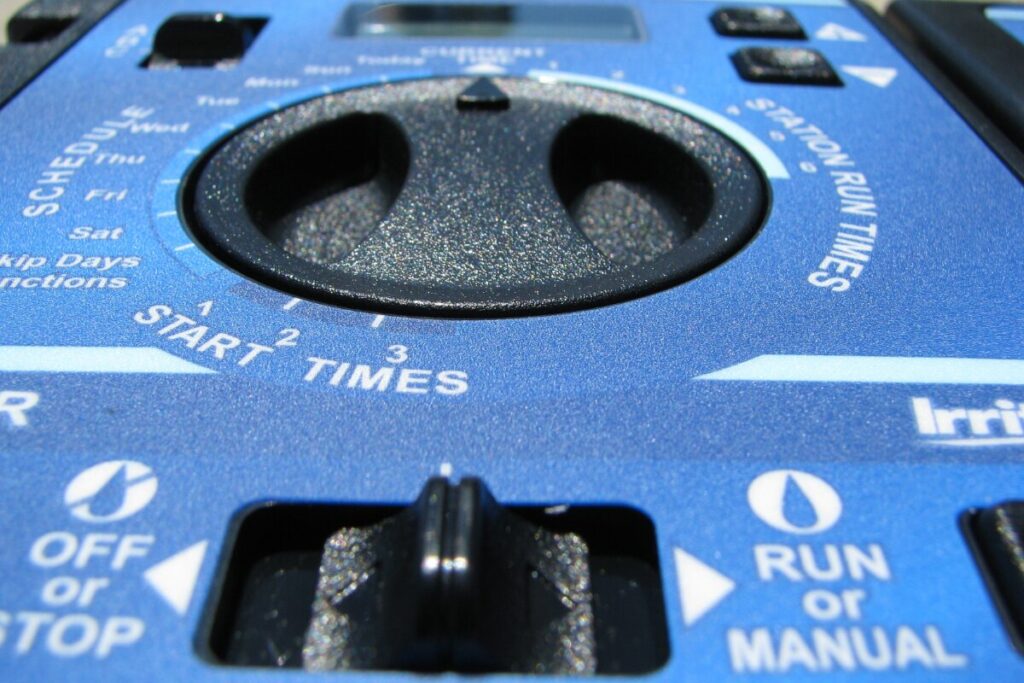
Phoenix irrigation systems work hard during the summer. Long run times, extreme heat, direct sun, mineral buildup, and monsoon activity can all create wear that may not be obvious until fall.
Run each irrigation zone and watch how the system performs. Check sprinkler heads, drip lines, emitters, valves, and exposed tubing for damage.
Look for dry areas, puddles, weak spray patterns, sputtering sprinkler heads, and water spraying onto sidewalks, walls, or driveways. These symptoms can point to clogged emitters, broken lines, low pressure, misaligned sprinklers, or other irrigation problems.
Fall is a good time to correct these issues before they continue wasting water through the cooler months. If an inspection turns up more than a quick fix, professional irrigation repair service can diagnose the cause instead of treating the symptom.
Adjust Your Watering Schedule for Cooler Weather
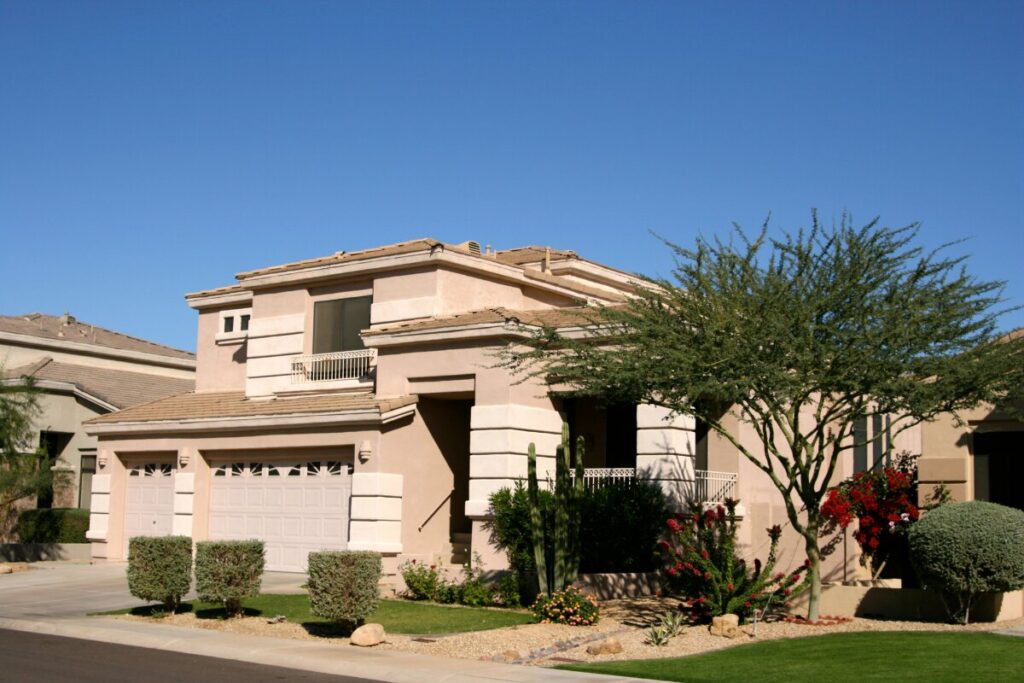
One of the most important fall landscaping tasks in Phoenix is reducing irrigation from peak-summer levels.
Plants generally need less water as temperatures drop and daylight hours shorten. Leaving a controller on the same schedule used in July or August can lead to overwatering, saturated soil, unnecessary runoff, and higher water bills.
Reduce watering gradually rather than making a drastic change all at once. The right schedule will depend on plant type, soil conditions, exposure, and current weather.
Early morning remains one of the best times to irrigate because it allows water to soak into the soil before daytime evaporation increases. It can also reduce the time plant surfaces stay wet overnight.
Check Every Drip Irrigation Zone
Drip irrigation is common throughout Phoenix landscapes because it delivers water directly to trees, shrubs, and desert plants. It can be extremely efficient when it is working properly.
Inspect each drip zone separately. Make sure every plant is actually getting water, rather than assuming the system is working just because the controller turns on.
Look for clogged emitters, broken tubing, loose connections, low pressure, missing emitters, and water pooling around individual plants.
Arizona heat and sun can make plastic tubing brittle over time, while mineral buildup can restrict emitter flow. Small problems can leave one plant too dry while another is receiving too much water. Persistent clogs and split tubing usually call for drip irrigation repair rather than another schedule change.
Make Sure Your Emitters Still Match the Plants
Landscapes change over time.
A tree or shrub planted several years ago may have a much larger root system today, but the drip emitters may still be positioned close to the original planting hole.
As trees and shrubs mature, irrigation often needs to move farther away from the trunk so water reaches the expanding root zone.
Check the number of emitters, their flow rate, and their location. Adding or repositioning emitters can help distribute water more effectively around mature plants.
This is especially important for larger trees, which benefit from deeper watering across a wider area rather than frequent shallow watering near the trunk.
Separate Plants by Watering Needs
Not every part of your landscape should be watered the same way.
Lawns, mature trees, shrubs, flowering plants, and desert landscaping all have different water requirements. When they are connected to the same irrigation zone, some areas can be overwatered while others remain dry.
Fall is a good time to review how your system is divided.
If possible, group plants with similar water needs together. Lawns should have their own zones, while trees, shrubs, and desert plants can often be managed more effectively through separate drip circuits.
Also review any changes made during the year. If you removed grass, added trees, replaced shrubs, or converted part of the yard to desert landscaping, you may need to adjust the irrigation layout to match the new design. Reworking zones is part of system optimization and upgrades, and it is usually easier in fall than in the middle of summer.
Give Your Trees a Fall Health Check
Phoenix trees can carry signs of summer stress well into fall.
Look for browning leaves, sparse canopy growth, damaged branches, soil pulling away from the root area, or unusually dry surface roots.
Monsoon winds can also damage branches or shift soil around the root zone.
Fall is a good time to inspect how mature trees are being watered. If all the emitters are still concentrated close to the trunk, they may no longer reach enough of the active root system.
Deep watering across the broader root zone can support healthier root development and help trees recover from summer stress.
Care for Shrubs and Desert Plants
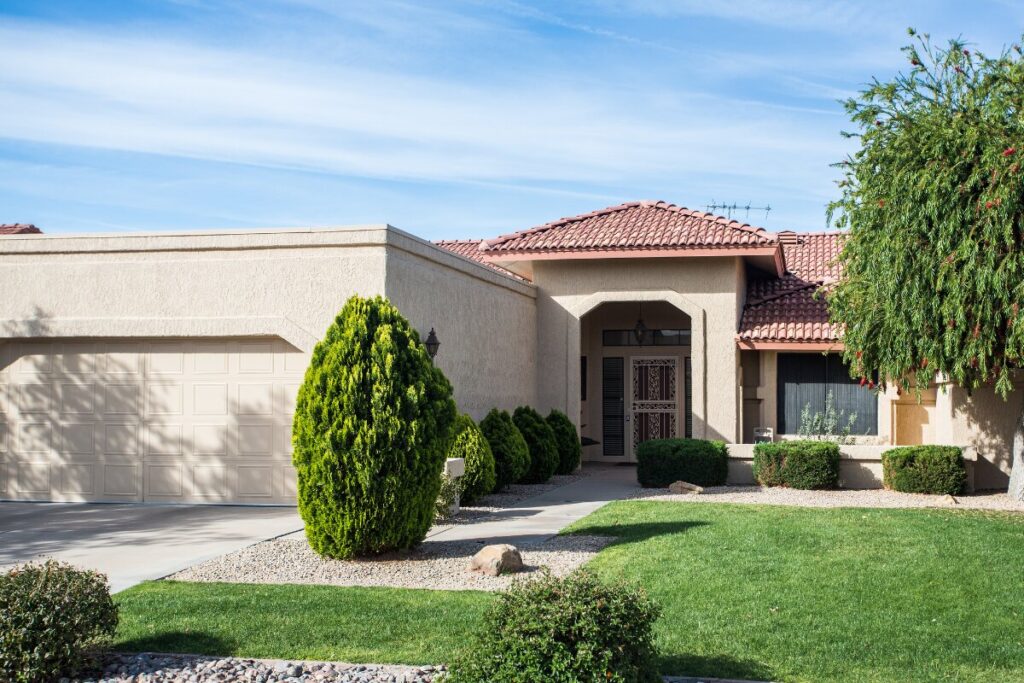
Shrubs and desert-adapted plants can still suffer from poor irrigation placement even when they require less water than traditional landscaping.
Remove clearly dead or damaged growth and inspect plants for signs of heat or storm stress. Avoid heavy pruning simply because temperatures have cooled.
Check the soil around established plants and make sure water is reaching the root zone rather than only wetting the soil immediately next to the stem.
Desert plants can be damaged by overwatering just as easily as by underwatering. Fall is a good time to reduce irrigation frequency while confirming each watering cycle still reaches the right depth.
Evaluate Your Lawn After Summer
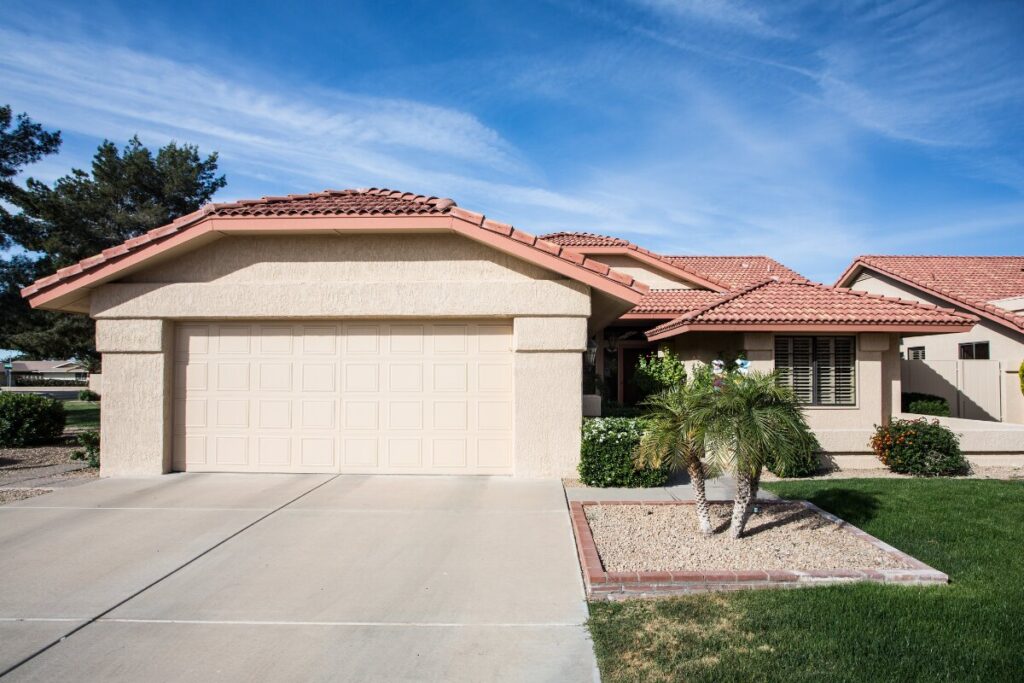
Phoenix lawns often enter fall with dry patches, thin areas, uneven color, or damaged sections after months of extreme heat.
Before assuming the problem is disease or poor soil, check the irrigation system.
Dry areas often line up with sprinkler coverage problems, clogged nozzles, low pressure, or misaligned sprinkler heads. A tilted or buried head is a common culprit, and sprinkler head repair often restores even coverage without touching the rest of the system.
Run each lawn zone and watch where the water lands. Make sure the spray patterns overlap properly and that no sprinkler is blocked by grass, soil, or nearby plants.
Correcting irrigation problems before reseeding or fertilizing can prevent the same dry spots from returning.
Consider Fall Overseeding
For homeowners who want a green winter lawn, fall is the traditional time to overseed warm-season turf with winter ryegrass.
Timing matters because overseeding requires enough warmth for seed germination while avoiding the hottest part of the year. Our guide to fall overseeding in Phoenix walks through the timing in more detail.
Before overseeding, make sure the irrigation system provides even coverage across the entire lawn.
New seed typically requires more frequent light watering during germination, so sprinkler performance is especially important during this period.
Once the ryegrass is established, reduce the watering schedule to encourage deeper roots and more efficient water use.
Refresh Mulch Around Trees and Shrubs
Mulch can help moderate soil temperature and reduce moisture loss around trees, shrubs, and planting beds.
After summer, some mulch may have broken down, washed away, or shifted during storms.
Fall is a good time to refresh these areas.
Spread mulch across the root zone while keeping it away from direct contact with trunks and stems. Piling mulch against the base of a plant can hold too much moisture in the wrong place.
Mulch works best when combined with properly placed irrigation and a watering schedule that matches the season.
Clean Up After Monsoon Season
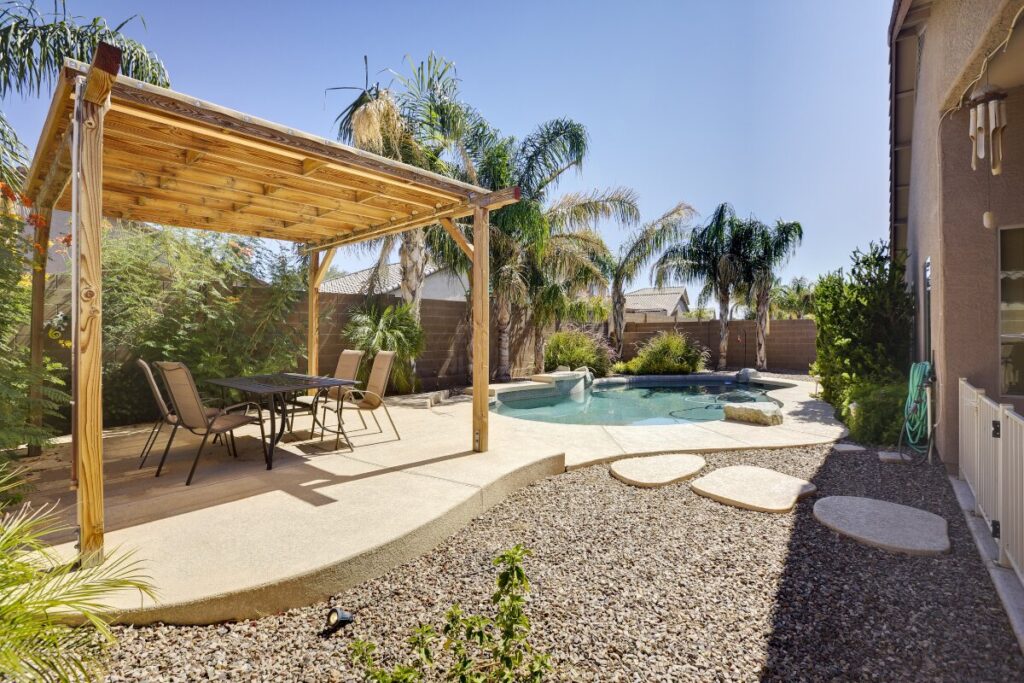
Summer monsoons can leave behind more than broken branches.
Wind and heavy rain can shift soil, expose irrigation tubing, move sprinkler heads, and wash away mulch or gravel. We covered this in more depth in how monsoon season affects your irrigation and lawn.
Walk the yard and look for erosion, exposed lines, damaged emitters, broken branches, and areas where soil has moved around irrigation components.
Sprinkler heads can also tilt or get buried after storms, mowing, or foot traffic.
A misaligned sprinkler may still run normally while wasting water on pavement or leaving part of the lawn dry.
Look for Hidden Irrigation Leaks
Not every irrigation leak creates a visible geyser.
Some underground leaks show up as consistently wet soil, soft areas in the yard, unexplained water between scheduled cycles, or a sudden drop in pressure on one zone.
A higher-than-usual water bill can also be a clue.
If one section of the yard stays wet while the rest dries normally, investigate the irrigation system before assuming the landscape simply needs less water.
Finding and repairing leaks in fall can prevent unnecessary water loss and reduce the chance the problem worsens before the next high-demand season. Buried line breaks and failing valves are the kind of issue sprinkler system repair is built to track down.
Upgrade an Outdated Irrigation Controller
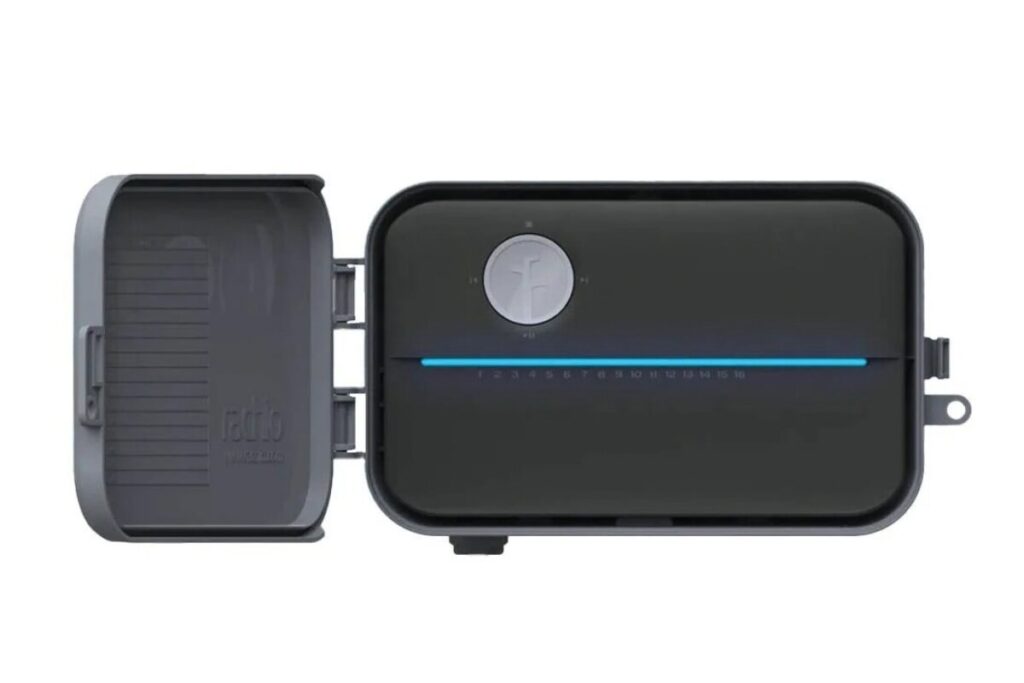
Older irrigation timers often keep running the same schedule until someone manually changes them.
That can be a problem in Phoenix, where water needs change significantly between summer and fall.
A smart irrigation controller can make seasonal adjustments easier by allowing more precise schedules and, depending on the system, weather-based changes. We break down the savings in how smart irrigation controllers save water and money in Phoenix.
Many modern controllers also allow homeowners to manage irrigation by zone and make changes from a phone.
For homeowners who often forget to update their timers, a smart controller can reduce unnecessary watering and make the system easier to manage year-round. If the existing timer is failing rather than simply outdated, sprinkler timer repair is often the faster route.
Watch for Signs of Overwatering
Overwatering becomes more common in fall when summer irrigation schedules stay in place too long.
Signs can include constantly wet soil, yellowing leaves, runoff, puddles, or soil that feels soft and saturated for long periods.
Before changing the entire watering schedule, check individual emitters and sprinklers.
One plant may look dry because of a clogged emitter, while another nearby plant receives too much water because of a leak.
Diagnosing the irrigation issue first can prevent unnecessary schedule changes that create new problems elsewhere in the yard.
Prepare for Cooler Nights and Occasional Frost
Phoenix winters are mild, but temperatures can still drop low enough to damage sensitive plants.
Fall is the time to identify plants that may need protection during cold nights.
Know where your frost-sensitive plants are located and have breathable frost cloth or another appropriate covering ready before temperatures drop.
Avoid making major irrigation decisions based on one cold night. Adjust watering based on the broader seasonal trend and the needs of the specific plants in your yard.
Review Your Landscape Lighting
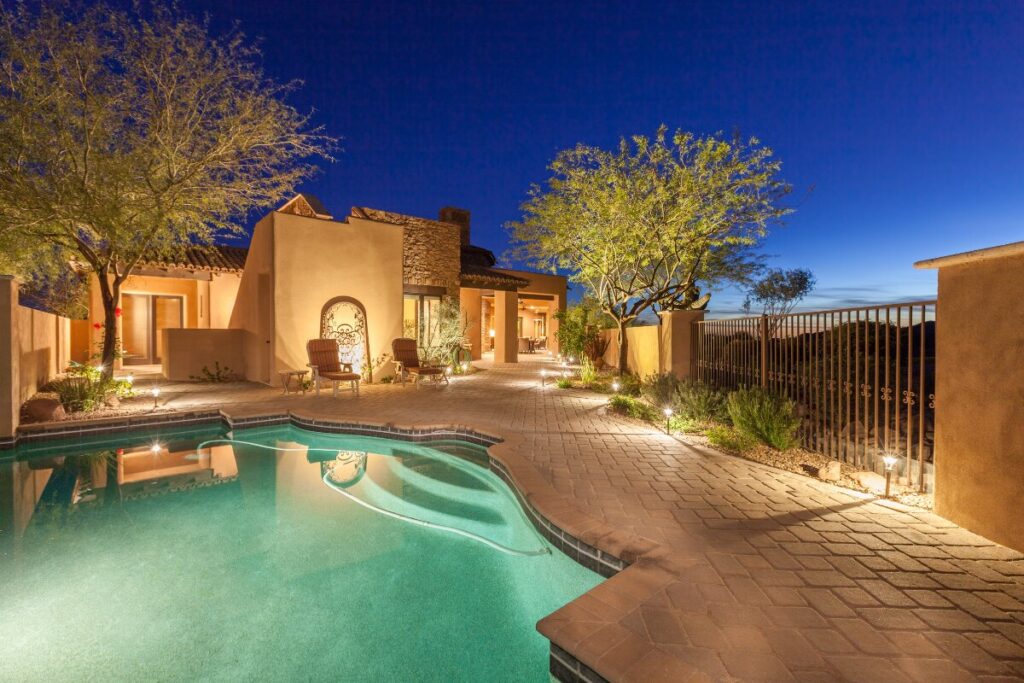
Shorter days make fall a good time to inspect outdoor lighting.
Check for burned-out fixtures, damaged wiring, lights blocked by plant growth, and fixtures that are no longer aimed correctly.
This is also a good time to think about how you’ll use the yard during Thanksgiving, Christmas, and other fall and winter gatherings.
Well-placed landscape and outdoor lighting can improve visibility along walkways, highlight trees or architectural features, and make patios more comfortable after sunset.
If your landscape has grown significantly since you installed the lights, some fixtures may need to be repositioned.
Create a Simple Fall Landscaping Checklist
Fall maintenance does not have to be complicated. A systematic walkthrough can catch most of the common problems.
- Irrigation: run every zone, check sprinklers and emitters, look for leaks, and reduce watering from summer levels.
- Plants: inspect trees and shrubs for summer damage, review emitter placement, evaluate lawn coverage, and refresh mulch where needed.
- Property: clean up monsoon debris, check drainage, inspect landscape lighting, and watch for unusually wet or dry areas.
A short seasonal inspection can prevent small problems from becoming expensive repairs later.
When to Call an Irrigation Professional
Some irrigation problems are easy to fix. Others are difficult to diagnose without the right tools or experience.
Professional service may be useful when you notice repeated leaks, low pressure, multiple clogged emitters, underground line problems, zones that will not operate correctly, or areas of the yard that remain consistently dry despite schedule adjustments.
The same applies when a controller is outdated or when the irrigation system no longer matches the landscape.
A professional system evaluation can help identify the source of the problem and determine whether repair, redesign, or controller upgrades make the most sense.
Frequently Asked Questions
How often should I water my yard in Phoenix during fall?
Should I reduce my irrigation schedule in October?
Is fall a good time to repair an irrigation system?
Should I overseed my Phoenix lawn in fall?
How do I know if my drip system is clogged?
Should drip emitters be moved as trees grow?
Is a smart irrigation controller worth it in Phoenix?
Why is part of my yard dry while the rest looks healthy?
More answers are collected on our irrigation FAQs page.
Use Fall to Reset Your Phoenix Landscape
Fall gives Phoenix homeowners a valuable opportunity to recover from summer heat and prepare the yard for cooler weather.
Start with the irrigation system because healthy landscaping depends on getting the right amount of water to the right place. Reduce summer watering schedules, check drip zones, inspect sprinkler coverage, look for leaks, and adjust emitters as plants mature.
Then turn your attention to trees, shrubs, lawns, mulch, lighting, and areas affected by monsoon weather.
A little fall maintenance can improve plant health, reduce water waste, and make your landscape easier to manage through winter and into spring.
Get Your Phoenix Irrigation System Ready for Fall
If your irrigation system is leaking, watering unevenly, or still running on a summer schedule, Controlled Rain can help.
Controlled Rain provides sprinkler repair, drip irrigation repair, irrigation installation, smart controller upgrades, system optimization, and outdoor lighting services for Phoenix-area homeowners.
Contact Controlled Rain to schedule service or learn more about keeping your landscape healthy and water-efficient year-round.